
The Florida probate timeline can vary significantly from one estate to another, depending on factors such as estate size, asset complexity, and whether disputes arise during the process. While some estates move through probate relatively quickly, others may remain open for many months or longer due to legal requirements, creditor claims, or administrative delays. Understanding how the Florida probate timeline works, and why certain estates take longer than others, helps beneficiaries and heirs set realistic expectations and better navigate each stage of the probate process.
Understanding Florida probate timelines is important because the length of the process can affect when beneficiaries receive assets and how estate matters are resolved. Knowing why some estates move quickly while others experience delays helps families set realistic expectations and plan more effectively during probate. At Knox Law, our experienced Florida probate attorneys help families navigate the probate timeline and understand the factors that can cause an estate to take longer than anticipated. We guide clients through each phase of probate administration, including court filings, creditor periods, asset management, and final distributions, while explaining how delays may arise and how they can often be addressed. For help with your probate needs, call us today at 305-520-7581.
How an Attorney Supports Clients in the Florida Probate Timeline
Navigating the Florida probate timeline can feel overwhelming, especially when court procedures, statutory deadlines, and unexpected delays arise throughout the process. At Knox Law, we help clients understand how the probate timeline works from start to finish, including what causes delays and how they can often be minimized. Each stage of probate involves specific legal requirements that must be completed in the proper order, and even small missteps can extend how long an estate remains open. By providing proactive guidance, clear communication, and strategic planning, we work to keep probate moving forward efficiently while reducing uncertainty and unnecessary complications for families and beneficiaries.
Explaining Each Stage of the Florida Probate Timeline
An attorney plays a critical role in helping clients understand what happens at each stage of the Florida probate timeline and how those stages connect to one another. Probate can feel confusing because progress often occurs in phases rather than all at once, and delays at any stage can affect the overall timeline. By clearly explaining what to expect at each point, an attorney helps clients feel more prepared and less overwhelmed as the case moves forward. This guidance allows families and beneficiaries to anticipate upcoming requirements, understand why certain steps take time, and remain confident that the process is moving in the right direction.
From Filing to Appointment of the Personal Representative
The probate timeline begins with filing the necessary documents and obtaining court approval to appoint a personal representative. An attorney ensures filings are accurate and timely, helping avoid delays at the outset. Proper preparation at this stage helps establish a smoother probate process overall.
Managing the Creditor Claims Period
Florida law requires a creditor claims period that can significantly affect the probate timeline. An attorney helps clients understand how long this period lasts and what actions must occur while it is pending. Proper handling of creditor notices and claims helps prevent unnecessary extensions.
Preventing Delays That Extend the Probate Timeline
Many probate delays are avoidable with proper legal guidance and proactive planning. An attorney helps identify potential issues early, such as missing documents, unresolved debts, or beneficiary concerns, before they grow into larger problems. By addressing these issues promptly, an attorney can often prevent setbacks that would otherwise slow the probate process. This proactive approach helps keep the Florida probate timeline as efficient as possible while reducing stress for everyone involved.
Addressing Documentation and Court Requirements
Missing or incomplete documents can slow probate significantly. An attorney reviews required filings, supporting documentation, and court submissions to ensure compliance. This attention to detail helps keep the probate timeline on track.
Reducing the Risk of Disputes and Objections
Disputes among beneficiaries or objections to estate administration can add months to probate. An attorney helps manage communication, clarify legal obligations, and address concerns promptly. Early intervention often reduces the likelihood of prolonged litigation.
Keeping Clients Informed Throughout the Probate Process
Clear communication is essential for managing expectations around the Florida probate timeline, especially when progress may feel slow or unpredictable. An attorney serves as a consistent point of contact, helping clients understand what has been completed and what remains ahead. Regular updates reduce uncertainty and help clients feel reassured that their case is being handled carefully. Staying informed also allows families and beneficiaries to make better financial and personal decisions while probate is ongoing.
Providing Ongoing Timeline Updates
Probate timelines can change as the case progresses. An attorney keeps clients informed about milestones, delays, and next steps. This transparency helps clients plan effectively and avoid unnecessary stress.
Answering Questions and Clarifying Expectations
Clients often have questions about how long probate will take and what may affect timing. An attorney provides realistic guidance based on the estate’s specific circumstances. Understanding expectations helps clients feel more confident throughout the process.
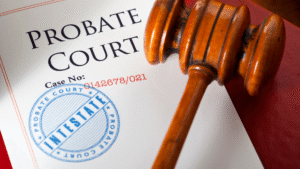
How the Florida Probate Timeline Differs for Simple and Complex Estates
The Florida probate timeline can vary significantly depending on whether an estate is considered simple or complex. While some estates move through probate with minimal court involvement, others require extensive administration, additional filings, and ongoing oversight. Understanding the differences between simple and complex estates helps beneficiaries and personal representatives set realistic expectations and better understand why timelines can vary so widely from one probate case to another.
What Is Considered a Simple Estate in Florida Probate
A simple estate in Florida probate typically involves fewer moving parts, which allows the probate process to proceed with less delay and complication. These estates often have clearly defined assets, cooperative beneficiaries, and minimal legal issues that require court intervention. Because there are fewer administrative steps and less oversight required, the overall Florida probate timeline for simple estates is often shorter and more predictable. Understanding what qualifies as a simple estate helps families recognize why some probate cases resolve more efficiently than others.
Limited Assets and Clear Ownership
A simple estate typically consists of assets that are easy to identify, value, and transfer, such as a single bank account or a primary residence. When ownership is clear and assets do not require liquidation, the probate process tends to progress more smoothly. Fewer assets often mean fewer administrative steps, which can shorten the overall Florida probate timeline.
No Disputes or Creditor Complications
Simple estates usually involve beneficiaries who agree on distributions and few, if any, creditor claims. When disputes are absent and debts are straightforward, the court process remains streamlined. This lack of conflict helps prevent delays that would otherwise extend probate.
What Makes an Estate More Complex Under Florida Probate Law
An estate becomes more complex under Florida probate law when additional legal, financial, or procedural issues require ongoing attention and court involvement. These complexities often introduce delays that extend the probate timeline beyond what families initially expect. Factors such as asset diversity, valuation challenges, or unresolved obligations can require extra filings and approvals. Recognizing these complexity triggers helps explain why certain probate cases take significantly longer to complete.
Multiple or High-Value Assets
Estates with numerous assets, investment accounts, business interests, or real property often require additional valuation, management, or sale. Each of these steps adds time to the probate process. Coordinating asset administration increases the complexity of meeting court requirements.
Business Interests and Ongoing Operations
When an estate includes ownership in a business, probate often takes longer. Business assets may require continued management, financial review, or transfer approvals. These added responsibilities can slow progress and extend the Florida probate timeline.
How Court Involvement Differs Between Simple and Complex Estates
Court involvement plays a central role in determining how long probate will take, particularly when comparing simple and complex estates. Simple estates generally move forward with limited court oversight, while complex estates often require repeated court approval at various stages. Each additional interaction with the court introduces potential delays related to scheduling, review, and compliance. Understanding how court supervision differs helps clarify why probate timelines can vary so dramatically.
Streamlined Court Oversight for Simple Estates
Simple estates often require fewer court hearings and less judicial oversight. Once required filings are submitted and statutory periods expire, distributions can proceed more quickly. This streamlined process helps reduce delays and administrative burden.
Ongoing Court Supervision for Complex Estates
Complex estates frequently require additional court approvals for asset sales, dispute resolution, or creditor issues. Each request for court involvement adds time to the probate timeline. Increased oversight is often necessary to ensure proper administration but can significantly extend probate.
Impact of Disputes on the Florida Probate Timeline
Disputes are one of the most common reasons the Florida probate timeline becomes extended and unpredictable. Even relatively small disagreements can halt progress while the court reviews objections or resolves contested issues. Disputes often introduce formal hearings, additional filings, and legal arguments that add months to the process. Understanding how disputes affect probate helps beneficiaries appreciate the importance of early resolution and clear communication.
Will Contests and Beneficiary Disagreements
Challenges to the validity of a will or disagreements among beneficiaries can delay probate substantially. These disputes often require hearings, evidence, and court rulings. Even a single objection can add months or longer to the Florida probate timeline.
Creditor Claims and Litigation
Disputed creditor claims or lawsuits against the estate also increase complexity. Resolving these matters often requires negotiation or court intervention. Until these issues are resolved, distributions are typically delayed.
Planning Considerations for Managing Probate Timelines
Planning plays an important role in managing expectations around the Florida probate timeline, particularly when complexity is likely. Understanding potential challenges early allows families to prepare for delays and make informed decisions during probate. Thoughtful planning can also reduce frustration and uncertainty by setting realistic expectations from the outset. This awareness helps beneficiaries and personal representatives approach probate with greater patience and clarity.
Setting Realistic Expectations Early
Knowing what factors influence probate complexity allows beneficiaries and personal representatives to set realistic expectations. Simple estates may conclude relatively quickly, while complex estates often require patience and careful administration. Clear expectations reduce frustration during the process.
Using Legal Guidance to Navigate Complexity
Complex estates benefit from experienced legal guidance to manage timelines efficiently. Proactive planning and proper administration help prevent unnecessary delays. With the right support, even complex probate cases can move forward in a structured and organized manner.
The Florida Probate Timeline When There Is a Will vs. No Will
The Florida probate timeline can differ significantly depending on whether the decedent left a valid will or passed away without one. While both situations must follow Florida probate court procedures, the presence or absence of a will affects how assets are distributed, who has authority to act, and how much court involvement is required. Understanding these differences helps beneficiaries and personal representatives anticipate potential delays and better understand why some probate cases move more quickly than others.
How a Valid Will Affects the Florida Probate Timeline
When a valid will exists, the probate process generally follows a clearer path, although timelines can still vary based on estate complexity and other factors.
Will Validation and Court Acceptance
One of the first steps in probate when there is a will is submitting the document to the court for validation. The court must confirm that the will meets Florida legal requirements before administration can proceed. If the will is properly executed and uncontested, this step typically moves forward without significant delay. A smooth validation process helps establish a more predictable probate timeline.
Appointment of the Personal Representative
A valid will usually names a personal representative to manage the estate. Once the court approves this appointment, the personal representative gains authority to act on behalf of the estate. Clear designation often reduces delays because the court does not need to determine who should serve. This clarity can help probate progress more efficiently.
Florida Probate Timeline Challenges When There Is No Will
When someone passes away without a will, Florida probate becomes an intestate estate, which often introduces additional steps and delays.
Court Determination of Heirs
Without a will, the court must identify legal heirs based on Florida intestacy laws. This process may require additional documentation, affidavits, or hearings to confirm family relationships. Locating and verifying heirs can take time, particularly when family structures are complex. These extra steps often extend the probate timeline.
Selection of a Personal Representative
In intestate probate, the court must appoint a personal representative according to statutory priority. Disagreements among family members or competing petitions can delay this appointment. Until a personal representative is approved, estate administration cannot move forward. This delay often slows the overall probate process.
Differences in Asset Distribution Timelines
The method of distribution also affects how long probate takes to conclude.
Distribution Under the Terms of a Will
When a will clearly outlines how assets should be distributed, the personal representative can follow those instructions once court requirements are met. Clear distribution terms reduce uncertainty and limit disputes. This clarity often allows probate to conclude more efficiently.
Distribution Based on Florida Intestacy Laws
Without a will, assets must be distributed according to Florida intestacy statutes. These laws may not align with family expectations, which can lead to confusion or disagreements. Resolving these issues may require additional court involvement, further extending the probate timeline.
Risk of Disputes and Their Impact on Probate Timing
Disputes can arise in both testate and intestate probate cases, but the risk often differs.
Will Contests and Objections
Even when a will exists, beneficiaries may challenge its validity. Will contests introduce hearings, evidence, and court rulings that can significantly delay probate. A single objection can add months or longer to the timeline.
Family Disputes in Intestate Estates
Intestate probate often involves disputes among heirs regarding entitlement or administration. These disagreements can slow decision-making and require court intervention. Increased conflict generally leads to longer probate timelines.
Setting Expectations for Probate Timelines
Understanding whether probate involves a will or intestacy helps families prepare for what lies ahead.
Anticipating Timelines With a Will
Probate with a valid, uncontested will is often more predictable, though not always fast. Complexity, creditor claims, and administrative requirements still affect timing. Realistic expectations help reduce frustration during the process.
Preparing for Longer Timelines Without a Will
Probate without a will often requires patience due to added court involvement and potential disputes. Knowing this in advance helps families plan accordingly. Awareness of these differences allows beneficiaries to navigate probate with greater clarity and confidence.

The Florida Probate Timeline for Out-of-State Heirs and Beneficiaries
The Florida probate timeline often takes longer when heirs or beneficiaries live outside the state, due to added procedural, logistical, and communication challenges. While Florida probate laws apply equally to resident and non-resident beneficiaries, distance can slow responses, complicate documentation, and increase reliance on third parties. Understanding how being out of state affects the probate timeline helps beneficiaries set realistic expectations and avoid unnecessary delays.
How Distance Affects the Probate Process
Living outside Florida can introduce practical obstacles that influence how quickly probate moves forward. Physical distance often limits an heir’s ability to respond immediately to requests, attend meetings, or address issues as they arise. Even when probate is well-organized, the need to coordinate remotely can slow routine administrative steps. Recognizing how distance affects the overall process helps heirs remain proactive and better prepared for potential delays.
Delays in Communication and Response Times
Out-of-state heirs may experience slower communication when receiving court notices, requests for information, or updates from the personal representative. Mail delays, time zone differences, and limited availability can make it harder to respond promptly. Even minor response delays can slow the overall probate timeline.
Reliance on Remote Coordination
Non-resident beneficiaries often rely on phone, email, and written correspondence rather than in-person communication. While remote coordination is common, it can increase the risk of misunderstandings or missed details. Clear and consistent communication becomes especially important to keep probate moving efficiently.
Additional Documentation Requirements for Out-of-State Heirs
Florida probate courts may require additional documentation from out-of-state heirs to verify identity and beneficiary status. These requirements are designed to ensure accuracy and compliance, but they often add extra steps for non-resident beneficiaries. Gathering documents from another state can take more time, especially when coordination with third parties is necessary. Understanding these documentation requirements early helps reduce delays later in the probate process.
Notarization and Certification Challenges
Many probate documents must be notarized or properly certified to meet Florida legal standards. Out-of-state heirs may need to coordinate notarization locally while ensuring documents comply with Florida requirements. Errors or incomplete paperwork can result in rejections and added delays.
Verifying Heirship and Legal Standing
When heirs live outside Florida, courts may require additional affidavits or supporting documentation to confirm relationships to the decedent. Gathering and submitting these materials can take time, especially when multiple heirs are involved. These steps often extend the probate timeline.
Court Scheduling and Hearing Considerations
Court proceedings can be more complex when beneficiaries are not located in Florida. Scheduling challenges may arise when hearings require attendance or participation from out-of-state heirs. Travel logistics, availability, and coordination with legal representatives can all affect how quickly matters move forward. Being aware of these considerations helps heirs plan ahead and avoid last-minute complications.
Attending Hearings From Another State
Although many probate matters proceed without hearings, some cases require court appearances. Out-of-state heirs may need to arrange travel or request remote participation when available. Scheduling challenges can slow progress if attendance is required.
Use of Attorneys or Representatives
Out-of-state heirs often rely on attorneys or estate representatives to appear on their behalf. While this approach reduces travel needs, it may add additional coordination steps. Proper representation helps maintain progress but can still affect timing.
Impact on Distribution Timing
The presence of out-of-state heirs can influence when distributions are made, particularly when additional approvals or documentation are required. Courts must ensure all procedural requirements are met before authorizing distributions, which can take longer when heirs are not local. Delays at earlier stages of probate often carry through to the distribution phase. Understanding this connection helps heirs manage expectations regarding inheritance timing.
Slower Approval and Processing of Distributions
Before distributions occur, courts must ensure all requirements are met and documentation is complete. Delays in receiving information from non-resident heirs can postpone approvals. As a result, distributions may take longer to process.
Managing Expectations Around Inheritance Timing
Out-of-state beneficiaries may have less visibility into daily probate activity. This limited insight can make delays feel more frustrating or unexpected. Understanding how distance affects timing helps heirs remain patient and informed.
Planning Ahead to Reduce Timeline Delays
Preparation can help minimize the impact of distance on the Florida probate timeline. Taking proactive steps early in the process allows out-of-state heirs to remain engaged and responsive despite geographic challenges. Organization and planning often reduce unnecessary delays caused by missed deadlines or incomplete information. With the right approach, distance does not have to significantly disrupt probate progress.
Staying Organized and Responsive
Out-of-state heirs who track deadlines, respond promptly, and keep records organized can help reduce delays. Timely communication plays a key role in keeping probate on schedule.
Using Professional Support Effectively
Working with experienced Florida probate professionals helps bridge the gap created by distance. Proper guidance allows out-of-state heirs to remain compliant and engaged without unnecessary complications. This support often leads to a smoother probate process overall.
Contact an Experienced Florida Attorney to Help With Your Probate Timeline Today
Understanding and managing the Florida probate timeline can be challenging, especially when delays, court requirements, and unanswered questions create uncertainty for families and beneficiaries. At Knox Law, we work closely with our clients to provide clarity at every stage of the probate process, helping them understand what to expect and how long each step may take. We recognize that probate timelines can directly affect financial planning, property decisions, and peace of mind, which is why we focus on proactive guidance that keeps the process organized and moving forward.
Our team brings nearly three decades of experience handling Florida probate and estate matters, allowing us to anticipate potential delays and address issues before they escalate. We prioritize clear communication, careful planning, and efficient administration so our clients feel informed and supported throughout the process. Whether you are serving as a personal representative or are a beneficiary waiting for probate to conclude, we are committed to protecting your interests and minimizing unnecessary complications. To speak with a knowledgeable Florida probate attorney and get trusted guidance on your probate timeline, call us today at 305-520-7581 or use our online form to schedule your free consultation.