
Florida probate & estate matters
Will Contest Attorney in Florida
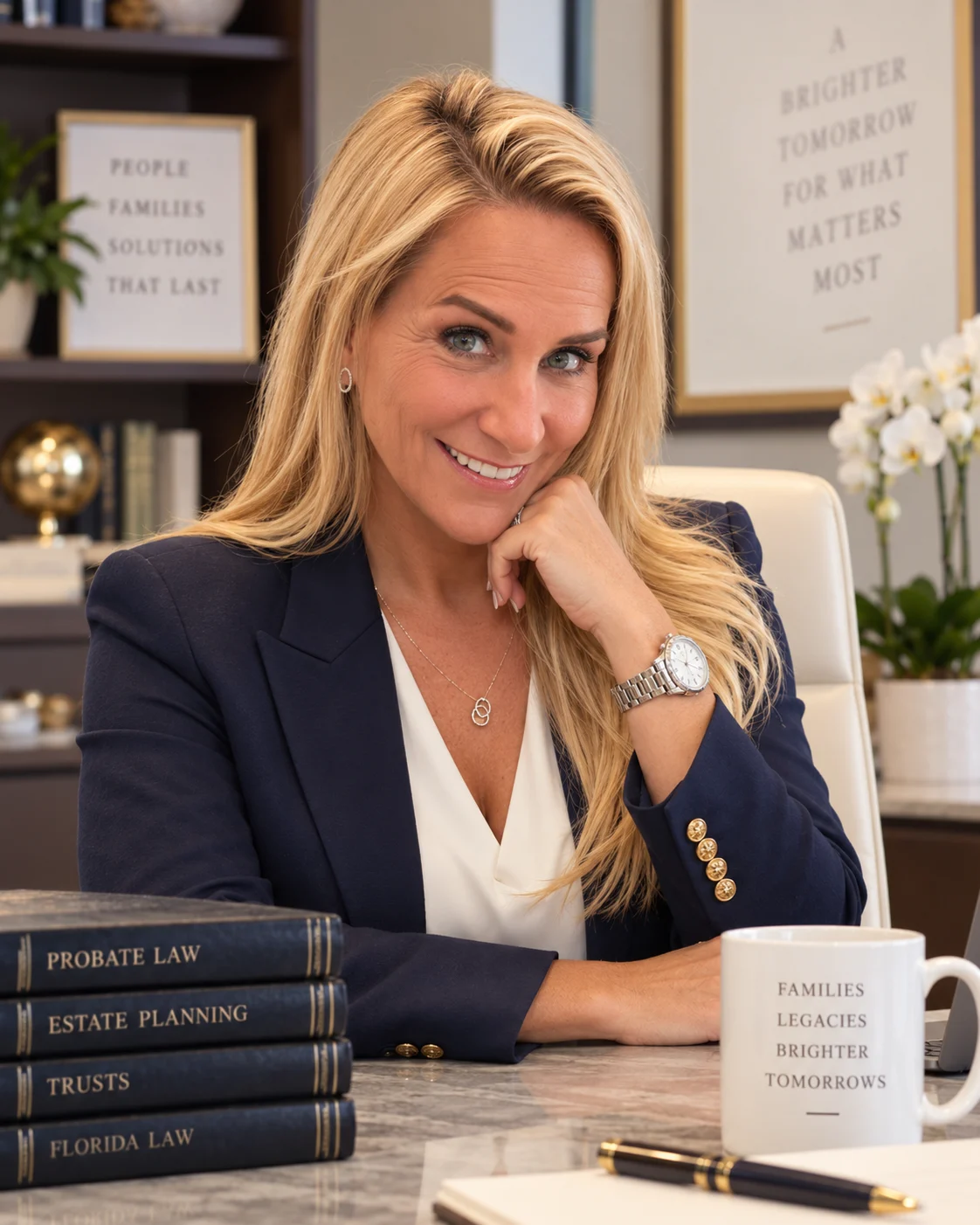
Families rarely expect a probate case to turn into a fight over trust, money, and a loved one’s final wishes. Yet many Florida heirs start asking hard questions after they see a sudden will change, a new beneficiary, an excluded child, or a document signed near the end of someone’s life. A will contest attorney in Florida can help families examine what happened, identify legal grounds to challenge the will, and act before probate deadlines limit their options.
Florida estates often involve real property, retirement accounts, family businesses, investment assets, and heirs spread across several cities or states. In Palm Beach, Fort Lauderdale, Pompano Beach, Tampa, Orlando, or other Florida areas, when one person gains control over an elderly parent, blocks family communication, or pushes through last-minute estate papers, probate litigation may provide the only path to protect inheritance rights.
Knox Law helps Florida families evaluate contested wills, suspicious estate changes, undue influence concerns, lack of capacity claims, fraud allegations, and improperly signed wills. Rachel M. Knox has practiced law in Florida since 1997, and the firm focuses on probate disputes that require fast action and careful legal review. If you believe a Florida will does not reflect your loved one’s true wishes, call Knox Law at 954-613-6740 to discuss your options before the probate case moves further.
How a Will Contest Attorney in Florida Investigates Questionable Inheritance Decisions
A will contest attorney in Florida helps families move from suspicion to action when a document does not match a loved one’s long-known wishes. Knox Law reviews the facts behind questionable inheritance decisions, including the timing of a new will, the people involved, the testator’s health, and any pressure surrounding the signing. Most Florida will contests begin with a pattern, such as sudden isolation, a new beneficiary, a changed signature page, or an estate plan that benefits one person after years of different instructions.
A Florida will contest can involve more than one issue. One case may include undue influence, lack of capacity, improper signing, and hidden financial activity at the same time. Knox Law looks at those details together, so heirs and beneficiaries can see whether the probate dispute has legal grounds.
Suspicious Will Changes in Florida Probate Cases
Not every estate modification signals wrongdoing. People have the right to revise their estate plans throughout their lives. Problems arise when substantial changes appear inconsistent with decades of prior planning or occur during periods of physical decline, cognitive impairment, or family isolation.
A will contest attorney in Florida often compares multiple generations of estate planning documents. Reviewing prior wills frequently reveals patterns that help explain whether a new document follows established intentions or departs dramatically from them. In many Florida probate disputes, the most revealing evidence comes from comparing what changed and identifying who benefited from those changes.
Last Minute Estate Planning Decisions
Estate planning changes made shortly before death often attract scrutiny from heirs and probate courts alike. Timing alone does not invalidate a will. Still, timing can provide valuable context when combined with other concerns.
A document signed days before a hospitalization may deserve closer examination than one executed years earlier. The same holds when substantial revisions occur during hospice care, immediately following a major diagnosis, or after a period of significant cognitive decline. Probate litigation frequently centers on whether the individual fully understood the nature and consequences of the document at the moment of execution.
Changes Made During Serious Medical Decline
Florida probate disputes commonly involve situations where a parent suffered from dementia, Alzheimer’s disease, stroke complications, advanced Parkinson’s disease, or other conditions affecting cognition. Medical records often become central evidence because they establish what healthcare providers observed during the relevant time period.
Progress notes may document confusion, memory lapses, poor judgment, disorientation, or dependence on others for basic decision-making. These observations can become highly relevant when a disputed will appears during the same timeframe. A will contest attorney in Florida reviews these records alongside execution dates to determine whether legitimate capacity concerns exist.
New Estate Plans That Reverse Decades of Prior Intentions
Probate judges often examine whether a challenged will represents a logical continuation of prior planning. A parent who consistently divided assets equally among children for twenty years may have valid reasons for changing course. At the same time, a sudden reversal without explanation may warrant investigation.
For example, a Florida resident who previously named three children as equal beneficiaries may unexpectedly leave nearly everything to a recently involved caregiver. Situations like this do not automatically establish wrongdoing. They do, however, create questions that deserve answers before significant assets change hands.
Unequal Gifts to One Beneficiary
Florida law allows parents to leave assets however they choose. Unequal distributions occur for many legitimate reasons. One child may have received substantial lifetime assistance. Another may have provided years of care. Probate litigation becomes more likely when unequal distributions appear alongside suspicious conduct.
Knox Law looks beyond percentages and dollar amounts. The surrounding circumstances often provide the most important information. Financial records, communications, witness testimony, and healthcare records may reveal why a particular beneficiary received a larger share.
Beneficiaries Who Suddenly Gain Control
Many contested wills involve individuals who gradually inserted themselves into positions of trust. They begin helping with appointments, managing medications, handling finances, or communicating with professionals on behalf of the elderly individual.
Over time, that access can evolve into influence. The question becomes whether assistance remained appropriate or crossed into manipulation. Probate courts frequently examine who arranged meetings with attorneys, who attended those meetings, and who participated in conversations about estate planning.
Unexpected Disinheritance of Close Family Members
One of the most common reasons families contact a will contest attorney in Florida involves complete disinheritance. Children who maintained regular contact suddenly discover they were removed from a will. Longstanding beneficiaries disappear entirely from a revised estate plan.
Florida probate courts understand that family relationships can become strained. Still, disinheritance cases often require a closer examination of the facts. Courts may evaluate whether the individual genuinely intended the change or whether outside forces influenced the decision.
Caregiver Control and Family Isolation
The Knox Law research identified caregiver influence as one of the most recurring themes in contested estate disputes. This issue appears frequently because elderly individuals often become dependent on a small number of people for transportation, medical care, daily tasks, and social interaction.
Dependence itself is not problematic. Trouble emerges when that dependence creates opportunities for control. A caregiver who controls access to information can shape perceptions, limit communication, and influence major financial decisions.
Blocked Access to an Elderly Parent
Many Florida probate disputes begin with family members reporting that communication suddenly stopped. Calls go unanswered. Visits become difficult. Family gatherings disappear. Relatives receive explanations that seem inconsistent with prior behavior.
Isolation concerns carry significant weight because undue influence claims often involve separating vulnerable individuals from people who might question suspicious decisions. Probate courts frequently evaluate whether isolation occurred before significant estate planning changes.
Restricting Communication With Family Members
A caregiver or beneficiary in Florida may claim they are protecting the elderly individual from stress. Sometimes that explanation is legitimate. Other times, it serves as a mechanism for limiting outside influence.
Text messages, emails, visitor logs, and witness testimony can help establish whether communication restrictions existed and when they began. Timing becomes especially important when those restrictions coincide with new wills or trust amendments.
Controlling Information About Assets and Finances
Family members often become concerned when financial information suddenly disappears. Account statements stop arriving. Property discussions end. Beneficiaries receive conflicting explanations regarding estate plans.
A will contest attorney in Florida investigates these changes carefully. Probate litigation frequently uncovers situations where one individual controlled both information flow and financial access during the period leading to a disputed estate document.
Control Over Money and Legal Appointments
Control over legal appointments represents another recurring issue in Florida probate litigation. The person who arranges meetings often shapes what information reaches the drafting attorney.
Probate courts sometimes evaluate whether the beneficiary selected the attorney, scheduled meetings, transported the client, attended consultations, or communicated directly with estate planning professionals before document preparation.
Attorney Meetings Arranged by Beneficiaries
Independent estate planning typically involves direct communication between attorney and client. Questions arise when a beneficiary assumes a central role throughout the process.
A will contest attorney in Florida may review billing records, appointment calendars, intake documents, and witness accounts to determine how the relationship developed. These details help establish whether the client exercised independent judgment.
Financial Activity Before a New Will Appears
Banking activity often provides valuable insight into a disputed inheritance decision. Large transfers, account changes, beneficiary updates, and unusual withdrawals may reveal patterns that deserve closer examination.
Financial evidence becomes especially significant when transactions occur shortly before major estate planning revisions. Reviewing account histories often helps explain broader concerns surrounding a contested will.
Medical Condition and Capacity Concerns
Florida law requires testamentary capacity when executing a will. This standard differs from general competency and focuses on the individual’s ability to understand key aspects of the estate planning decision.
A will contest attorney in Florida examines whether the person understood the nature of creating a will, recognized family members who would ordinarily inherit, understood the property being distributed, and appreciated the consequences of the document.
Dementia and Memory Decline
Memory-related conditions appear frequently in Florida probate litigation because the state has a large retirement population and significant numbers of aging residents. These cases require careful analysis rather than assumptions.
Many individuals with dementia experience periods of lucidity. Others experience substantial impairment. Probate courts examine evidence closely to determine the individual’s condition when the document was executed.
Diagnoses That Frequently Appear in Will Contests
Alzheimer’s disease, vascular dementia, Lewy body dementia, Parkinson’s-related cognitive impairment, and other neurological conditions regularly appear in contested probate cases.
Medical providers often document symptoms long before families recognize their significance. Treatment records may reveal a progressive decline that provides important context during litigation.
Witness Observations That Support Capacity Challenges
Medical records tell only part of the story. Friends, neighbors, relatives, caregivers, and professional advisors often provide valuable testimony regarding daily functioning.
Witnesses may describe repeated confusion, inability to recognize relatives, significant memory deficits, or reliance on others for basic decisions. Probate courts often consider these observations alongside formal medical evidence.
Medication and Hospital Records
Serious illness can affect cognition even without a formal dementia diagnosis. Strong medications, infections, surgical recovery, and hospitalization can alter awareness and decision-making abilities.
A will contest attorney in Florida reviews treatment timelines carefully. The goal is not merely identifying illness but determining whether the illness affected the person’s ability to execute a valid will.
Hospital Admissions Near the Signing Date
Hospital records frequently provide detailed snapshots of cognitive functioning. Nurses, physicians, and specialists often document orientation, memory, confusion levels, and decision-making abilities.
These observations can become particularly important when a challenge appears shortly before or after hospitalization.
Hospice Care and End-of-Life Decision Making
Hospice records often contain extensive observations regarding cognition, communication abilities, and dependence on others. These records may provide critical insight into whether an individual retained the ability to make independent estate planning decisions.
When significant estate changes occur during end-of-life care, probate courts frequently examine the surrounding circumstances with great care. A thorough investigation can determine whether the final document truly reflected the individual’s wishes or whether improper influence affected the outcome.
What Happens After You Contest a Will in Florida Probate Court
Many heirs expect a will contest to begin with a dramatic courtroom hearing. In reality, Florida probate litigation often starts with paperwork, deadlines, and strategic decisions that can shape the entire dispute. Once a will challenge is filed, the focus shifts from suspicion to proof. The court wants evidence, timelines, and facts that explain why the document should not control the distribution of the estate.
A will contest attorney in Florida helps families understand what happens next and what risks can arise if key steps are missed. Knox Law frequently works with beneficiaries who receive notice of probate proceedings and suddenly discover that an estate is moving forward under a will they believe is invalid. At that point, timing becomes extremely important. Florida probate courts follow strict procedural rules, and delays can affect inheritance rights.
Filing a Florida Will Contest Before Probate Deadlines Expire
One of the most misunderstood aspects of probate litigation involves timing. Many people assume they can challenge a will whenever they discover a problem. Florida probate law often imposes much shorter windows.
The probate process may already be underway before some heirs learn about the contents of a will. This situation occurs frequently when beneficiaries live outside Florida or when family communication breaks down after a death. Knox Law reviews probate notices, court filings, and administration documents to determine how much time remains to take action.
Why Probate Notices Matter in Florida Will Contest Cases
Formal notice often triggers important deadlines. Once notice is received, beneficiaries and interested parties may have a limited time to raise objections. Waiting too long can create serious procedural obstacles.
Florida probate courts place significant weight on these notice requirements because they help move estates toward resolution. A will contest attorney in Florida reviews when notice was served, how it was delivered, and whether all required parties received proper information.
Late Discovery of a Questionable Will
Sometimes family members learn about a disputed will weeks or months after probate begins. An adult child living in another state may receive unexpected paperwork revealing that decades of prior estate planning disappeared shortly before death.
This scenario appears regularly in Florida probate litigation. Many retirees relocate to communities in Palm Beach County, Broward County, Tampa, and Orlando, while their heirs remain elsewhere. As a result, important information may not reach family members immediately. Early case review can help determine what options remain available.
Probate Administration Continues During Disputes
Many heirs believe filing a challenge automatically freezes the estate. In reality, portions of probate administration may continue while litigation unfolds. Asset inventories, creditor matters, and court filings often move forward simultaneously.
That reality makes early action even more important. The longer a questionable will remains in place, the more complicated estate administration can become.
Determining Who Has Standing to Contest a Will
Not everyone can challenge a Florida will. Probate courts generally require a direct legal interest in the outcome. A disappointed relative who would not inherit under any version of the estate plan may lack standing.
A will contest attorney in Florida evaluates standing before litigation begins. This analysis often focuses on prior wills, intestate succession rights, beneficiary status, and family relationships.
Prior Beneficiaries Often Have Stronger Claims
Many successful will contests involve individuals who appeared in earlier estate plans but were removed from a later document. The existence of prior wills often helps establish why the person has a direct interest in the outcome.
Knox Law reviews historical estate planning documents to determine how inheritance rights changed over time. That comparison frequently becomes a foundational part of the case.
Heirs Under Florida Intestacy Laws
When a will becomes invalid, Florida intestacy laws may determine who inherits. Children, spouses, and certain relatives can gain standing based on those inheritance rights.
Understanding these rules matters because standing affects whether the probate court will even consider the challenge.
Discovery Reveals What Happened Before the Will Was Signed
Discovery often becomes the most revealing stage of probate litigation. Once the case moves beyond initial filings, both sides gain access to information that may not have been available earlier.
A will contest attorney in Florida uses discovery to build a detailed timeline. Medical records, financial documents, attorney files, witness testimony, and communications often reveal how the disputed document came into existence.
Medical Records Become Central Evidence
Medical evidence frequently shapes the direction of a will contest. Florida courts examine capacity claims carefully, especially when significant assets or major family disputes are involved.
Records from physicians, neurologists, hospitals, rehabilitation facilities, and hospice providers can provide valuable insight into a person’s mental condition during the relevant period.
Treatment Notes Near the Signing Date
A diagnosis alone rarely decides a case. Courts often focus on records created close to the date the will was signed.
Progress notes may document confusion, memory issues, impaired judgment, or difficulty understanding complex decisions. These observations can carry substantial weight when evaluating testamentary capacity.
Medication Records and Cognitive Function
Certain medications affect alertness, memory, concentration, and decision-making. Probate litigation often involves reviewing prescription histories alongside execution dates.
A detailed timeline can reveal whether medication changes occurred immediately before important estate planning decisions.
Financial Activity Often Tells a Larger Story
Money frequently leaves clues that family members never see during life. Banking records, investment statements, and transfer histories may reveal unusual activity occurring alongside will revisions.
A will contest attorney in Florida examines these records to identify patterns that support broader allegations involving undue influence, manipulation, or suspicious beneficiary involvement.
Sudden Transfers Before Death
Large transfers shortly before death often trigger additional questions. New joint accounts, beneficiary designations, and unexplained withdrawals can provide context surrounding a disputed estate plan.
While these transactions may be legitimate, they often become part of the larger factual picture probate courts evaluate.
Changes to Ownership and Beneficiary Designations
Some individuals focus exclusively on the will while overlooking other estate assets. Yet beneficiary designations and ownership changes can significantly alter inheritance outcomes.
Reviewing these transactions often helps explain whether a broader effort existed to redirect assets toward a particular individual.
Mediation Resolves Many Florida Will Contest Cases
Most contested wills do not reach a full trial. Florida probate courts frequently require mediation before litigation proceeds further.
Mediation creates an opportunity for parties to discuss settlement options while avoiding the uncertainty and expense of extended court proceedings. A will contest attorney in Florida prepares for mediation by organizing evidence, evaluating risks, and identifying realistic outcomes.
Why Probate Courts Encourage Settlement Discussions
Probate judges understand that family disputes can consume substantial time and estate resources. Mediation offers a structured environment where parties can address concerns before litigation costs increase.
Settlement discussions often become productive after discovery reveals facts neither side previously understood.
Family Dynamics Often Influence Settlement Outcomes
Inheritance disputes involve more than legal arguments. Longstanding family tensions, caregiving responsibilities, and personal relationships often influence negotiations.
Understanding those dynamics can help explain why some cases settle quickly while others continue toward trial.
High Asset Estates Create Unique Settlement Challenges
Estates involving investment properties, business interests, luxury homes, and retirement accounts often require more detailed negotiations.
Many Florida will contests involve valuable real estate located in Fort Lauderdale, Palm Beach, Boca Raton, Naples, Tampa, and Orlando. These assets can complicate settlement discussions because valuation and ownership issues may affect multiple beneficiaries.
Trial Becomes Necessary When Major Facts Remain Disputed
Some probate disputes cannot be resolved through negotiation. When parties disagree about capacity, undue influence, fraud, or execution issues, a trial may become necessary.
Knox Law prepares these cases through witness testimony, document analysis, medical evidence, and detailed factual presentations. Knox Law develops litigation strategies designed to address the specific issues driving the dispute.
Judges Evaluate More Than Family Accusations
Probate courts expect evidence. Personal beliefs and family disagreements alone rarely determine the outcome.
The court examines documents, witness credibility, timelines, financial activity, medical records, and surrounding circumstances. Every piece of information contributes to the overall picture.
Undue Influence Cases Often Rely on Circumstantial Evidence
Direct proof of manipulation rarely exists. Most undue influence claims rely on a collection of facts showing opportunity, control, vulnerability, and unusual estate changes.
Florida courts frequently analyze these factors together rather than relying on a single piece of evidence.
Capacity Challenges Focus on a Specific Point in Time
Capacity disputes center on the moment the will was signed. A person may experience cognitive decline for years, yet still retain legal capacity on a particular day.
For that reason, courts often focus heavily on records and observations closest to the execution date.
What Florida Families Can Expect After a Probate Court Decision
A successful challenge may invalidate the contested will entirely or partially. In some cases, an earlier will controls the estate. In others, Florida intestacy laws determine inheritance rights.
Every outcome depends on the specific facts and legal issues involved. Knox Law helps heirs understand the possible results before litigation begins so they can make informed decisions about the path forward. For many families, understanding what happens after filing a will contest provides clarity during an otherwise uncertain period.
How Knox Law Handles Florida Will Contest and Probate Litigation Cases
Every contested estate follows a different path. Some disputes begin when a family discovers a new will after years of consistent estate planning. Others emerge after a caregiver receives a substantial inheritance, a beneficiary disappears from a document, or conflicting wills surface during probate administration. Knox Law approaches these cases by identifying the facts that matter most under Florida probate law and building a strategy around the specific dispute rather than relying on a one-size-fits-all process.
Rachel M. Knox has practiced law in Florida since 1997, and Knox Law focuses heavily on probate litigation and inheritance disputes. A will contest attorney in Florida must often evaluate medical evidence, family relationships, financial records, witness testimony, and probate court filings at the same time. This type of litigation requires a detailed understanding of how Florida courts evaluate contested wills and inheritance challenges.
Will Contest Lawyer for Undue Influence in Florida
Undue influence claims remain one of the most common reasons families challenge wills in Florida probate courts. These cases often involve vulnerable individuals whose decision-making was influenced by someone who gained a position of trust.
Florida courts do not invalidate wills simply because a beneficiary had a close relationship with the testator. Instead, courts look closely at whether the beneficiary actively participated in procuring the will and whether the circumstances surrounding the document raise concerns about improper influence.
How Undue Influence Develops Before a Will Is Changed
Undue influence rarely appears overnight. In many probate disputes, the relationship changes gradually. A trusted individual may begin managing appointments, handling finances, screening calls, or limiting communication with family members.
Over time, that influence can expand into estate planning decisions. A will contest attorney in Florida often reconstructs these events by reviewing financial records, medical histories, text messages, emails, and witness accounts.
Common Warning Signs in Florida Undue Influence Cases
Certain patterns appear repeatedly in probate litigation. A beneficiary may suddenly become involved in attorney meetings. Family members may lose access to an elderly parent. Significant estate changes may occur after years of consistent planning.
Knox Law evaluates whether these warning signs occurred together and whether they point toward inappropriate influence over the testator’s decisions.
Will Contest Lawyer for Lack of Capacity in Florida
Capacity challenges focus on the mental condition of the person who signed the will. Florida law requires a person to understand the nature of creating a will, recognize the people who would naturally inherit, understand the assets involved, and appreciate the legal effect of the document.
Many will contests involve concerns about cognitive decline, memory loss, dementia, stroke-related impairments, or other medical conditions that affect judgment and comprehension.
Why Capacity Disputes Depend on Timing
A diagnosis alone rarely decides a case. Probate courts focus heavily on the testator’s condition at the time the will was executed. This distinction becomes important because many individuals experience fluctuating cognitive abilities.
A will contest attorney in Florida often creates a detailed timeline using physician records, treatment notes, prescription histories, and witness observations to determine whether capacity concerns existed during the execution process.
Medical Evidence Used in Florida Capacity Litigation
Medical records often provide critical information regarding memory function, orientation, decision-making ability, and cognitive performance. Neurology records, hospital notes, primary care evaluations, and hospice documentation frequently become central pieces of evidence.
Knox Law reviews these records alongside probate documents to determine whether a lack of capacity claim may exist.
Will Contest Lawyer for Fraud Claims in Florida
Fraud claims involve situations where false information or deceptive conduct influenced the creation of a will. These cases differ from undue influence claims because they focus on misrepresentations rather than pressure or manipulation.
Fraud may occur when someone intentionally provides false information to the testator, conceals important facts, or misrepresents the contents of estate planning documents.
How Fraud Allegations Arise During Probate Litigation
Families often discover fraud concerns after comparing estate documents, reviewing financial activity, or uncovering communications that were hidden before death. Probate litigation may reveal facts that were unknown when the will was signed.
A will attorney in Florida examines whether deceptive conduct directly affected the testator’s decisions and whether that conduct contributed to the challenged document.
Fraud Cases Often Involve More Than One Issue
Many fraud disputes overlap with undue influence, capacity concerns, or suspicious financial activity. As a result, probate courts frequently evaluate multiple legal theories at the same time.
Knox Law investigates the full factual background rather than limiting its review to a single allegation.
Will Contest Lawyer for Improperly Signed Wills in Florida
Florida law imposes strict requirements for executing a valid will. Even a document that accurately reflects the testator’s wishes may face challenges if the required formalities were not followed.
Execution issues often become significant when a will was signed under unusual circumstances or when witness testimony conflicts with the contents of the document.
Florida Probate Courts Examine Execution Requirements Closely
A valid Florida will generally requires the testator and witnesses to follow specific statutory procedures. Problems can arise when signatures occur at different times, witness requirements are not satisfied, or questions emerge regarding the execution ceremony.
A will contest attorney in Florida reviews attorney files, witness statements, execution affidavits, and probate records to determine whether procedural defects exist.
Witness Testimony Can Affect Will Validity
Witnesses often provide valuable information regarding the signing process. Their observations may help establish whether the testator appeared alert, understood the document, and followed required execution procedures.
Knox Law evaluates witness accounts carefully when investigating improperly signed wills.
Will Contest Lawyer for Suspicious Will Changes in Florida
Sudden estate plan revisions frequently trigger probate disputes throughout Florida. These cases often involve substantial departures from prior planning, particularly when changes occur during periods of illness, dependency, or family conflict.
A will contest lawyer in Florida examines why the changes occurred, who benefited from them, and whether the revisions align with the testator’s long-established intentions.
Significant Inheritance Changes Often Raise Questions
A dramatic redistribution of assets may warrant closer review when no clear explanation exists. Probate courts understand that people may change their minds. Courts also recognize that unusual circumstances sometimes surround those changes.
Knox Law compares prior wills, trust documents, beneficiary designations, and estate planning records to determine whether suspicious patterns exist.
Late Life Estate Changes Require Careful Review
Many contested wills involve revisions executed near the end of life. The timing alone does not invalidate a will. Yet timing often becomes an important factor when combined with other concerns.
Reviewing surrounding circumstances helps determine whether the document deserves additional scrutiny.
Will Contest Lawyer for Disinherited Heirs in Florida
Few probate disputes generate stronger emotions than unexpected disinheritance. Children, grandchildren, and longtime beneficiaries sometimes discover they were removed entirely from an estate plan.
These situations often prompt questions regarding capacity, undue influence, fraud, or suspicious changes that occurred before death.
Why Disinheritance Cases Require Detailed Investigation
Florida law generally allows individuals to disinherit family members. The key question is whether the decision genuinely reflected the testator’s wishes.
A will contest attorney in Florida investigates whether outside factors contributed to the disinheritance and whether prior estate plans tell a different story.
Earlier Estate Documents May Reveal Important Patterns
Historical wills often provide valuable context. A sudden departure from decades of estate planning may support additional investigation.
Knox Law reviews prior documents to understand how inheritance decisions evolved.
Will Contest Lawyer for Multiple Wills in Florida
Florida probate courts occasionally encounter situations involving multiple wills. Family members may discover competing documents that distribute assets differently or contain conflicting instructions.
Resolving these disputes requires careful analysis of execution dates, revocation language, witness requirements, and surrounding circumstances.
Determining Which Will Controls the Estate
The newest document does not automatically prevail. Probate courts must first determine whether the later document satisfies Florida legal requirements.
A will contest attorney in Florida reviews every version of the estate plan to determine which document should control probate administration.
Competing Wills Often Create Complex Probate Litigation
Multiple will disputes frequently involve allegations of undue influence, capacity concerns, or improper execution. As a result, these cases often require extensive factual investigation.
Knox Law develops a complete timeline of estate planning activity to identify how competing documents emerged.
Will Contest Lawyer for Emergency Probate Litigation in Florida
Some probate disputes require immediate court intervention. Waiting weeks or months may allow assets to disappear, records to be altered, or estate property to change hands.
Emergency probate litigation addresses situations where immediate action becomes necessary to protect estate interests while the underlying dispute proceeds.
Circumstances That May Require Emergency Court Action
Emergency proceedings may become necessary when beneficiaries believe assets are being transferred improperly, financial accounts are being depleted, or critical estate property faces immediate risk.
An attorney in Florida evaluates whether emergency relief may be appropriate under the circumstances.
Protecting Estate Assets During Active Litigation
Once a probate dispute begins, preserving estate property often becomes a priority. Financial records, real estate interests, business assets, and investment accounts may all require protection while litigation remains pending.
Knox Law works with families throughout Florida to address urgent probate concerns while pursuing long-term solutions through the court system.
Speak With a Will Contest Attorney in Florida at Knox Law
Questions about a suspicious will rarely become easier with time. Probate proceedings continue moving forward, documents become harder to obtain, and important deadlines can approach sooner than many families expect. If you believe a loved one’s will was affected by undue influence, lack of capacity, fraud, improper execution, or another probate issue, a will contest attorney in Florida can review the circumstances and explain your options.
Knox Law represents heirs, beneficiaries, personal representatives, and family members involved in contested estate matters throughout Florida. Rachel M. Knox has practiced law in Florida since 1997 and focuses on probate litigation involving disputed wills, inheritance conflicts, and complex estate administration issues. Whether the estate involves property in Palm Beach, Fort Lauderdale, Pompano Beach, Tampa, Orlando, or another Florida community, the firm can help evaluate the facts and determine the next steps.
To discuss your situation with Knox Law, visit our contact us page or call 954-613-6740. A prompt case review can help preserve important information and provide answers about your rights before the probate matter progresses further.