
Florida probate & estate matters
Estate Litigation Lawyer in Golden Beach
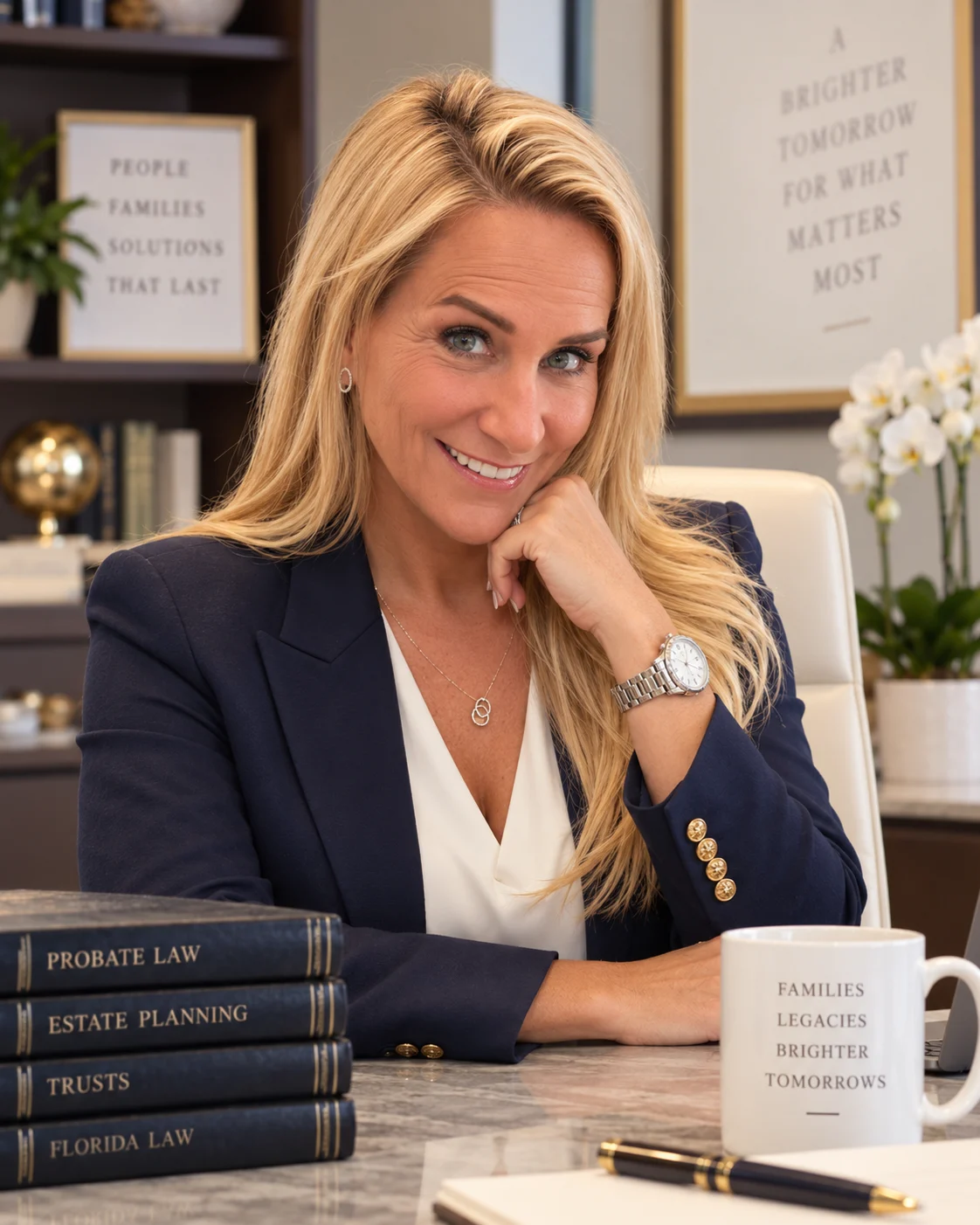
Estate conflict usually begins before anyone files a formal objection. A relative notices withheld records, sudden changes, unexplained transfers, pressure around a will, or estate decisions that no longer feel trustworthy. An estate litigation lawyer in Golden Beach gives families a way to address those concerns through the probate court when private conversations no longer produce reliable answers. Estate litigation focuses on contested inheritance issues, including will challenges, fiduciary misconduct, asset disputes, trust conflicts, and beneficiary rights. Knox Law looks at the documents, the family history, and the court posture before deciding what action fits the conflict.
Golden Beach families may face estate litigation when grief becomes mixed with distrust, missing information, or decisions that do not match the decedent’s known wishes. Some disputes require objections before deadlines pass, while others require financial records, witness accounts, property documents, or a court request aimed at stopping further harm. Rachel M. Knox approaches these cases with probate-specific attention to what the judge needs, what the estate records show, and what result the family is trying to protect. Strong early legal review turns suspicion into a more organized legal position. Call Knox Law at 954-613-6740 to discuss an estate dispute with a probate attorney in Golden Beach today.
Golden Beach Estate Disputes That Require Litigation Strategy
Estate disputes become harder to manage when questions about money, authority, or intent remain unanswered for too long. A contested probate issue may involve a will that appeared late, an executor who withholds information, a trustee who ignores beneficiary questions, or property that moved before anyone received a complete explanation. An estate litigation lawyer in Golden Beach looks at the dispute through the court process, not just the family disagreement. Knox Law reviews documents, timelines, account activity, and probate filings to understand where the conflict legally stands. The strongest strategy begins with facts that can be organized.
Family members may feel pressure to stay quiet because the disagreement involves relatives, inheritance, or a parent’s final wishes. Waiting too long may weaken a position when court deadlines, asset transfers, or fiduciary decisions continue moving forward. Some disputes need an objection, while others need a demand for records, a petition for court direction, or action against someone misusing estate authority. Rachel M. Knox focuses on identifying the legal issue beneath the family tension. Estate litigation needs direction before conflict drains the inheritance.
Will Contests After Suspicious Estate Changes
A will contest may arise when the document presented to the court does not match what family members understood about the decedent’s wishes. Sudden revisions, unusual beneficiary changes, missing witnesses, or concerns about mental capacity may raise questions that deserve legal review. The court needs more than suspicion, so families need records, timelines, medical information, and witness details that connect the concern to a valid legal challenge. An estate litigation attorney in Golden Beach evaluates those facts before a family invests energy in a contested filing. Strong challenges begin with specific evidence, not family frustration.
Capacity Concerns Require More Than Family Doubt
Mental capacity questions require attention to the decedent’s condition when the document was signed. Medical history, medication changes, cognitive decline, and witness observations may all affect the dispute. The strongest review connects those details to the exact timing of the contested estate document.
Witness Details Strengthen Will Contest Review
People who saw the decedent near the signing date may provide important context. Their observations may explain confusion, pressure, isolation, or unusual decision-making. Useful witness information turns general concern into a more focused probate issue.
Fiduciary Misconduct In Florida Estate Cases
A fiduciary dispute may involve an executor, personal representative, or trustee who fails to communicate, mishandles money, favors one beneficiary, or delays distribution without a valid reason. Florida estate litigation looks closely at the duties attached to that role because authority over estate property comes with legal responsibility. Beneficiaries may need records showing what the fiduciary received, spent, transferred, or refused to explain. An estate litigation lawyer in Golden Beach examines those records to determine whether court action makes sense. Fiduciary authority should never become private control without accountability.
Missing Accountings Create Serious Probate Concerns
Beneficiaries need enough financial information to understand how estate property has been handled. Missing accountings, incomplete statements, or vague explanations may hide losses, unauthorized payments, or improper transfers. A court request for information may become necessary when voluntary communication fails.
Estate Records Reveal Patterns Of Mismanagement
Bank statements, closing documents, receipts, and inventories may show how fiduciary decisions affected the estate. Repeated unexplained withdrawals or selective payments may create a stronger litigation concern. Records give the court something concrete to evaluate.
Beneficiary Disputes Over Inheritance Rights
Beneficiary disputes may begin when family members disagree about who receives property, how shares should be calculated, or what the will or trust language actually means. These conflicts become more serious when one side controls information or pushes distribution before questions receive proper review. The court may need to interpret documents, address objections, or decide whether a proposed distribution follows Florida probate law. An estate litigation attorney in Golden Beach organizes the dispute around rights, records, and requested relief. Inheritance disagreements need structure before positions harden.
Distribution Questions Need Document Review
Distribution disputes depend on the language of the will, trust, beneficiary forms, or court filings. Families may misunderstand those documents when grief and personal expectations shape the conversation. Document review separates legal rights from assumptions about what should happen.
Unequal Treatment Needs Legal Context
Unequal inheritance terms do not automatically prove wrongdoing under Florida law. The reason for the difference, the decedent’s condition, and the document history may all matter. Legal context keeps the dispute focused on provable concerns.
Asset Disputes In Contested Florida Estates
Asset disputes arise when property disappears, ownership records conflict, or someone claims an account does not belong in the estate. These disagreements may involve real estate, business interests, bank accounts, vehicles, personal property, or transfers made shortly before death. Families need to know which assets belong to probate and which passed outside the estate through another legal mechanism. An estate litigation lawyer in Golden Beach reviews title records, transfer documents, account information, and probate filings to identify the disputed property. Asset disputes require careful tracking from the beginning.
Property Transfers Deserve Early Investigation
A late transfer may raise concerns when it occurred during illness, isolation, financial dependence, or family conflict. Deeds, account changes, and beneficiary updates may reveal who benefited and when the change occurred. Early investigation helps preserve the facts before records become harder to obtain.
Ownership Records Clarify Estate Value
Recorded deeds, account statements, and title documents show what the estate may control. Missing or inconsistent records may reduce the apparent value of the inheritance. Strong asset review protects families from decisions based on incomplete information.
How an Estate Litigation Lawyer in Golden Beach Handles Probate Conflict
Probate conflict needs a process that separates urgent legal issues from family frustration. An estate litigation attorney in Golden Beach reviews the contested filing, the estate documents, the people involved, and the deadlines that affect the next move. Knox Law looks for the issue the court must decide, such as document validity, fiduciary conduct, asset control, beneficiary rights, or disputed instructions. That review helps families avoid scattered arguments that do not move the case forward. Litigation becomes more manageable when each concern connects to a legal remedy.
A contested estate may require court filings, document requests, witness information, accounting review, or negotiations aimed at resolving the conflict before more serious damage occurs. Some cases need immediate action because property could be transferred, records could disappear, or a fiduciary could keep making decisions that affect the inheritance. Rachel M. Knox approaches probate conflict by identifying what must be proven, what records exist, and what outcome would protect the family’s position. Families gain a steadier path when the dispute moves from emotion into documented facts. Estate litigation works best with disciplined preparation.
Probate Objections That Need Early Action
Some probate disputes require quick attention because objections, hearings, and fiduciary decisions follow court timelines. A delayed response may leave a family reacting after important estate activity has already occurred. An estate litigation lawyer in Golden Beach reviews the filings to determine what issue needs to be challenged and what proof belongs with that challenge. Early action does not mean rushing into unnecessary conflict, since the court still expects a focused reason for intervention. A timely objection gives the dispute a proper legal starting point.
Court Deadlines Shape Litigation Options
Probate deadlines affect when objections, responses, and petitions must reach the court. Missing a deadline may limit available arguments or make later challenges more difficult. Families should understand timing before relying on informal conversations with relatives.
Fast Review Protects Important Probate Rights
Fast review helps identify problems before estate decisions become harder to unwind. Documents, notices, and hearing dates reveal where the case stands procedurally. Early organization keeps the family’s position from becoming reactive.
Evidence Review In Estate Litigation Cases
Estate litigation depends on evidence that shows what happened, who acted, and how those actions affected the estate. Records may include wills, trusts, deeds, bank statements, medical files, correspondence, accountings, and prior probate filings. An estate litigation attorney in Golden Beach studies those materials to build a dispute around facts rather than assumptions. Strong evidence review also exposes weak claims before the family spends time pursuing them. The court needs proof that connects the concern to a legal issue.
Documents Reveal The Strongest Legal Issues
Estate records often show the difference between a painful family disagreement and a valid probate claim. A changed beneficiary form, unexplained withdrawal, missing accounting, or unusual deed transfer may point toward a stronger issue. Reviewing documents first keeps the litigation strategy grounded in what the court can evaluate.
Timelines Connect Events To Legal Claims
A timeline helps show when illness, isolation, transfers, signatures, or fiduciary decisions occurred. Those dates may become important when challenging a document or questioning estate management. Organized timing helps the court understand the dispute more clearly.
Court Petitions For Estate Disputes
Some conflicts need a formal petition asking the probate court to take action. That request might seek records, challenge a fiduciary decision, question a will, address a disputed transfer, or ask the court to interpret estate documents. An estate litigation lawyer in Golden Beach prepares the petition around the specific relief the family needs instead of using broad accusations. The filing should explain the problem, identify the legal basis, and show why court involvement is necessary. Focused petitions give judges a clearer path to respond.
Requested Relief Must Match The Dispute
The court needs to know exactly what the family wants corrected, stopped, explained, or decided. A petition seeking records differs from one challenging a will or asking for fiduciary removal. Matching the request to the dispute prevents unnecessary confusion.
Strong Filings Avoid Vague Accusations
Vague accusations rarely give the court enough information to act. Specific facts, dates, documents, and requested outcomes make the filing more useful. Estate litigation gains strength when the petition stays precise.
Settlement Discussions In Probate Litigation
Not every estate dispute needs to reach a full evidentiary hearing or trial. Settlement discussions may address asset division, record production, fiduciary changes, reimbursement issues, or terms for completing estate administration. An estate litigation lawyer in Golden Beach evaluates settlement options against the strength of the evidence and the cost of continued conflict. Families should understand what they are giving up and what they are gaining before agreeing to any resolution. A practical settlement protects inheritance when litigation no longer serves the family’s goals.
Negotiation Still Requires Legal Preparation
A productive negotiation depends on knowing the estate records and the likely court issues. Without preparation, families may accept terms that leave important questions unresolved. Legal review gives settlement discussions stronger direction.
Written Terms Prevent Future Disputes
Settlement terms should explain responsibilities, deadlines, transfers, releases, and remaining estate duties. Loose agreements may restart conflict after everyone believes the dispute has ended. Written terms protect the family from another round of uncertainty.
How Knox Law Helps Golden Beach Families Resolve Estate Litigation
Knox Law approaches estate litigation by first identifying what the disagreement requires from the probate court. Some conflicts center on a contested will, while others involve missing records, disputed transfers, fiduciary conduct, or beneficiary rights that need direct legal action. Rachel M. Knox reviews the documents, court filings, family history, and asset information before shaping the next step. Families looking for an estate litigation attorney in Golden Beach need focused probate direction, not broad legal language that avoids the real dispute. The firm keeps each case centered on the facts, the inheritance at risk, and the result the family needs to pursue.
Estate conflict becomes less chaotic when the legal issues receive structure early. Knox Law helps families understand which concerns belong in court, which records matter most, and which steps could protect the estate from further harm. That approach matters when relatives feel unheard, fiduciaries refuse to explain decisions, or property movement raises serious questions. A probate dispute should move toward resolution through organized facts and practical decisions. Strong litigation work begins with understanding what must be proven.
Probate Focus For Contested Estate Cases
Rachel M. Knox brings probate-specific attention to estate litigation because contested inheritance issues follow court rules that differ from ordinary family disagreements. A will challenge, fiduciary dispute, or contested distribution requires review of deadlines, estate filings, beneficiary rights, and the documents controlling the property. Knox Law evaluates the dispute through those probate requirements before recommending a litigation step. That focus gives families a more practical way to understand what the court can address. Estate litigation needs legal direction tied to probate procedure.
Estate Records Receive Detailed Legal Review
Records of the estate often reveal the strongest path forward in a contested case. Knox Law reviews wills, trusts, deeds, account statements, court notices, inventories, and fiduciary communications to understand where the dispute stands. That review helps separate provable issues from concerns that need more documentation.
Document Patterns Clarify The Dispute
A single document rarely explains the entire estate conflict. Patterns across records may show changed instructions, missing funds, delayed reporting, or inconsistent explanations from the person in control. Those patterns give litigation strategy a stronger foundation.
Practical Strategy For Family Conflict
Estate litigation affects families differently because the dispute usually follows grief, mistrust, and unresolved personal history. Knox Law keeps the strategy focused on what the court needs, even when emotions make every conversation feel harder. Rachel M. Knox works to identify the legal issue beneath the conflict, including fiduciary accountability, asset protection, document validity, or distribution rights. That approach helps families avoid arguments that deepen conflict without improving their legal position. A practical strategy protects energy as well as inheritance.
Court Action Should Serve A Specific Purpose
Every filing should have a reason connected to the family’s legal goal. Knox Law evaluates whether the dispute calls for records, an objection, fiduciary removal, document interpretation, or another court request. Purposeful litigation keeps the case from becoming a costly extension of family tension.
Legal Goals Keep Decisions Focused
Probate conflict creates pressure to respond to every accusation immediately. A defined legal goal helps families decide which issues deserve court attention and which arguments distract from the inheritance concern. Focused decisions move the case with greater discipline.
Protection Against Fiduciary Misconduct
Fiduciary misconduct claims need careful review because personal representatives and trustees hold authority that affects every beneficiary. Knox Law examines accountings, transfers, communications, expenses, delays, and distribution decisions when a fiduciary’s conduct raises concern. Rachel M. Knox looks for records showing how estate property was handled and whether court intervention should be requested. Families deserve answers when someone with legal authority refuses transparency or uses estate control unfairly. Fiduciary power should come with accountability.
Accountings Show How Property Was Managed
Accountings help beneficiaries understand what entered the estate, what left, and why those decisions occurred. Missing explanations, unsupported expenses, or unusual payments may point toward a deeper probate dispute. Knox Law reviews those records to determine what questions need legal action.
Delays Can Signal Deeper Problems
Some delays happen because probate requires patience and documentation. Other delays point to withheld information, poor administration, or decisions that deserve court attention. Legal review helps families distinguish ordinary timing from serious concern.
Resolution Planning For Inheritance Disputes
Resolving estate litigation requires attention to both the court process and the family’s practical goals. Knox Law helps families consider the strength of the evidence, the cost of continued conflict, the inheritance involved, and the relief available under Florida probate law. Rachel M. Knox prepares each step with the end result in mind, whether the dispute requires negotiation, a court order, or a stronger challenge to estate conduct. Families need a path that protects their position without creating unnecessary motion. Resolution planning keeps the dispute tied to real outcomes.
Settlement Requires Informed Decision Making
A proposed settlement should make sense under the documents and the evidence available. Knox Law helps families review proposed terms, remaining duties, distribution language, and the risks of leaving issues unresolved. Informed decisions reduce the chance of accepting an agreement that creates later problems.
Final Terms Should Prevent Renewed Conflict
Written terms should address deadlines, transfers, releases, record production, and remaining estate responsibilities. Loose terms leave too much room for another disagreement after settlement. Strong resolution terms help families move forward with fewer surprises.
Get Help From Knox Law Today From Our Probate Lawyer Regarding Your Estate Litigation Matter
A contested estate becomes harder to ignore when withheld records, disputed authority, or unexplained asset decisions begin affecting the inheritance. A contested estate needs more than reactionary arguments because the court looks for documents, deadlines, legal duties, and proof that connects the dispute to a probate remedy. Knox Law helps families bring order to those issues before the conflict consumes more time, money, and emotional energy. Our firm reviews the estate record with attention to what has happened, what still needs to be protected, and what the court should be asked to decide.
If your family is facing a will contest, fiduciary dispute, beneficiary conflict, or contested asset issue, early legal review gives you a stronger starting point. Our estate litigation lawyer in Golden Beach can evaluate the dispute before important probate decisions move further ahead. Call Knox Law at 954-613-6740 or visit our contact page today to speak with our estate litigation lawyer in Golden Beach